Yesterday afternoon I opened a Figma file and asked the canvas for three dark-mode variants of a checkout flow. I never touched a layer. The agent read the design system, generated the variants, applied the tokens, named the layers properly, and surfaced the differences in a comment. The whole thing took ninety seconds.
That is not a vendor demo. That is what happened on a Wednesday afternoon at our studio. The Figma agent went live in beta on May 20, and for the first time the agent is inside the multiplayer canvas, not bolted on as a sidekick, not buried in a sidebar, not living in a separate tab.
This is not a one-off. Look at what landed in the same 48 hours. On May 19, Google I/O opened with Generative UI for Search, free for everyone this summer, plus SynthID and C2PA verification rolling out across Search and Chrome. The same day, Canva started the limited rollout of its Connected App for Gemini, putting every Canva Brand Kit directly into one of the most used AI assistants in the world. On May 19, Anthropic shipped two new privacy and security features for Claude Managed Agents aimed at enterprise teams. On May 20, Figma flipped the switch on its own agent. Four moves, four companies, one direction. The week design tools became agents.
What did Figma actually ship on May 20?
The headline is short. Figma's agent now lives in the file. It reads your design system out of the box. It edits like a teammate, not a plugin.
The detail matters more than the headline. According to Figma's own release post, the agent can generate multiple layout directions at once, convert any screen to dark mode using your existing styles, apply components and variables at scale, bulk-edit layers, fill designs with realistic copy and images, and summarize comment threads into action items. The blog post frames it as "an agent directly on the multiplayer canvas, optimized for design workflows and connected to the right context." Connected to the right context. That is the line to underline. The context is your design system, your variables, your components, your file history. Without that context the agent is just another generator. With it, it is a teammate.
Pricing matters too. During the beta the agent does not consume AI credits, but credits will apply at general availability. Full seats on Professional, Organization, and Enterprise plans get it. Collab and Dev seats can use it in drafts. Starter, Education, and Government plans are not invited yet. TechCrunch's coverage on May 20 framed the strategic move correctly. This is Figma defending its multiplayer canvas as the primary surface for design work in an era when Lovart, Canva, Adobe, Anthropic, and a dozen smaller players are all trying to relocate that work elsewhere.
For studios like ours, the practical read is simpler. The cost of producing variants just dropped to near zero. The cost of judging which variant is the right one did not move. The bottleneck is no longer execution. It is the brief and the system the agent reads from.
The brand system became the new moat
Read the four launches side by side and one word keeps reappearing. Brand. Figma's agent respects "your design systems out of the box." Canva's pitch for the Gemini connector is brand intelligence, the promise that every AI-generated asset will carry the right Canva Brand Kit. Adobe Firefly's enterprise rollout this month leans on IP indemnification and team-wide brand controls. Anthropic's Claude Managed Agents added the privacy and security primitives that enterprise teams need to let agents operate inside their brand boundaries.
The vendors are converging on the same value proposition. We will keep your output on-brand. That sentence used to be a designer's value proposition. It is now a feature of the tool.
The implication is uncomfortable for a lot of studios. If every team has the same agents, and the agents all promise to keep work on-brand, then the brand system is the only differentiator left. The artifact that controls the agent is more valuable than the artifact the agent produces. The brief is more valuable than the deliverable. The rules are more valuable than the file.
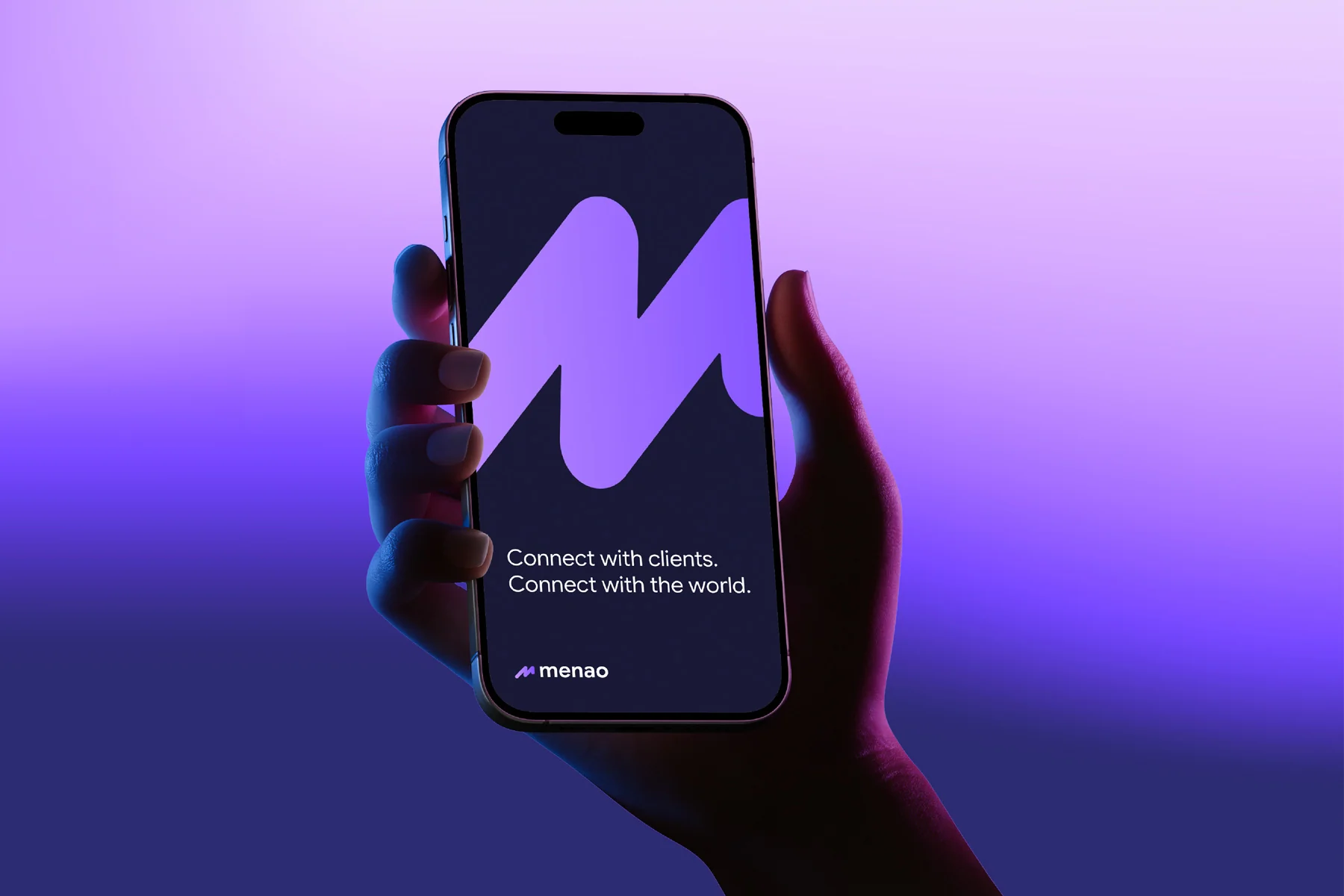
At pipopstudio we built Menao's brand book to be opened on day one by the dev team, not flipped through by investors. At the time that felt like a delivery preference, a quiet preference for utility over polish. Two years later it looks like a structural call. A brand book that an agent can parse is suddenly an operating system. A 60-page PDF is a museum piece. We covered the same shift from a different angle in our piece on how Claude Design ended traditional design handoff, and May's launches accelerated everything that piece argued.
What does Canva-in-Gemini change for brand owners?
On May 19, Canva began rolling out a Connected App for Gemini. From inside Gemini, a user can now generate fully editable Canva designs that automatically respect their Canva Brand Kit. Same week, Canva announced similar connectors planned for ChatGPT and other assistants.
This is more important than it sounds. The conversation no longer starts in your design tool. It starts in an assistant. Someone on a marketing team asks Gemini for "five social variants for the spring campaign," and Gemini hands back assets that already use the right typeface, the right palette, the right logo lockups. The brand kit is the rule book that turns the assistant's generic output into your output. Without it, Gemini just makes generic posters with your company name typed in.
The losers in this picture are brands that do not have a brand kit, or that have one living as design files on someone's desktop instead of structured tokens in a queryable system. The winners are the brands that already shipped their identity as a resource an agent can read. If your visual system exists only in a "logo final v3 FINAL.pdf" attached to last quarter's contractor email, no agent on earth can keep your output on-brand. The default for those brands will quietly become "Gemini decides what you look like."
For founders watching this, the practical question is no longer "do we have brand guidelines." It is "are our guidelines machine-readable, and who has access to them when an agent calls." If your design partner cannot answer both halves of that in one sentence, you have a problem that will be obvious by end of year.
Google quietly rewrote search in May
Most of the discourse around Google I/O 2026 has focused on Gemini Spark and the new XR glasses with Samsung. The most important announcement for brand teams was buried deeper. Generative UI for Search, rolling out free this summer, lets a search result generate custom mini-apps and visualizations on the fly. A user searches for "weekend trip with my kids in May," and the page returns an interactive planner built from hotel availability, map locations, and reviews. The result page is composed at query time, not retrieved.
Stop and think about what that does to your brand assets. Your logo, your colors, your hero image, your product shots are no longer arriving as a page that you designed. They are arriving as ingredients that Google's generative UI is composing into something else. The remix layer just moved inside the search result.
Same week, Google rolled out SynthID and C2PA verification across Search and Chrome. Users can now identify AI-generated images at a glance. For brand teams this is a double-edged signal. The good news: the AI imagery you commissioned can be marked as official, attributable, and traceable. The bad news: every piece of unverified brand imagery in your archive now carries a small credibility tax. The pixel-perfect press shot you used in 2023 is going to look suspicious by default in 2027 if nothing certifies its provenance.
The takeaway is consistent with the other moves in May. Static assets are losing leverage. Structured, verifiable, agent-readable assets are gaining it. We argued a similar point in our piece on why static logos are dead in 2026. In May the shift accelerated from "industry conversation" to "shipped product."
Is this the next Bootstrap moment?
Here is the serious counter-argument. If every Figma file in the world is now operated by an agent that reads the same handful of mainstream design systems, every product is going to look the same. Material, Tailwind, shadcn, a dozen Figma community kits. We have lived through this exact cycle before. Bootstrap in 2014 made it possible for any developer to ship a "modern-looking" site in an afternoon. Three years later the entire web looked like a Bootstrap demo. The race to standardization eats its own differentiator on a predictable timeline.
The way out is not to refuse the agents. That ship sailed at 9 a.m. yesterday. The way out is to ship distinctive systems with opinionated rules, not generic kits. An agent reading a system that says "buttons here are 9 px radius, never 12, and headlines always open with a verb" produces work that looks like your brand. An agent reading a system that just says "use the primary color" produces work that looks like everyone else's.
Lovart already crossed 800,000 users with an AI design agent that produces logos, packaging, app UI, and full campaigns from a single prompt. The output quality is genuinely surprising. The output sameness is also genuinely striking when you scroll their public gallery for ten minutes. That is the cautionary tale baked into this whole shift. Free, infinite execution surfaces sameness fast. The next decade of brand work is going to be a fight against the gravitational pull of agent-shaped homogeneity, and the only weapon against it is opinionated systems.
There is one more honest worry. The studios that built their value on "we will make you something polished" are about to discover that the agent makes things polished too, in twelve seconds, for free, with reasonable defaults. The transition is not gradual. The studios that win will be the ones that can articulate, defend, and codify why a specific brand should look a specific way. The ones that cannot will compete with Lovart on price, and they will lose.
What to do now if you ship brand work
If you run a brand or a studio, three concrete moves to make now.
First, audit your brand assets for agent-readability. Open your brand kit. Can a Figma plugin, a Canva connector, or a Claude tool read your tokens, your typography ramp, your spacing scale, your component primitives? If the answer is "we have a PDF," that is the gap. Tokens, named variables, and a structured component library are the new minimum deliverable. The PDF can stay, but it is decorative now.
Second, reframe your next brand project as a system project. Stop briefing studios for "a logo and guidelines." Brief them for "an identity, a token set, a component library, and a brief written for agents to consume." If your studio cannot deliver the second half of that brief, find one that can. This is the same conceptual move that good engineering teams made when API-first replaced site-first ten years ago. The brand is now an API, with a visible face on top.
Third, decide where your distinctive rules live. The most valuable thing a studio can do for you in 2026 is the opinionated section of your brand book. Not the color palette, not the type scale, not the logo geometry. Those are table stakes that an agent can apply blindfolded. The opinionated rules, the ones that say "we never end a headline with a period" or "buttons always open with a verb" or "our spacing is asymmetric on purpose," are the rules that make the agent's output feel like you. Spend the budget there. If you want to see how we approach that kind of system-first brand work, our brand identity page walks through the process and our projects show what the deliverables actually look like.
Figma's agent is here, Canva's connector is rolling out, Google's search is generating UI live, Anthropic's agents are running inside enterprise environments. None of that goes back in the box. The studios and brands that win the next two years are not the ones who refuse to use agents. They are the ones who ship the cleanest, sharpest, most opinionated systems for the agents to read from. The work moved upstream in May. So should you.
Sources
- Figma Blog: The Figma Design Agent is Here (May 20, 2026)
- TechCrunch: Figma adds an AI assistant to its collaborative canvas (May 20, 2026)
- Canva Newsroom: Introducing Canva's Creative Operating System (May 19, 2026)
- Google Developers Blog: All the news from the Google I/O 2026 Developer keynote (May 19, 2026)
- 9to5Mac: Anthropic enhances Claude Managed Agents with two new privacy and security features (May 19, 2026)